Stevia extract moves from field to drum in four main operations: the dried leaf is extracted with hot water, the aqueous extract passes through an adsorption resin that captures the steviol glycosides, a solvent alcohol releases them, and they are recrystallized before optional spray drying. Each operation changes what arrives in your powder. Across regulators, high purity has one agreed meaning: total steviol glycosides of not less than 95% on the dried basis. That figure counts every steviol glycoside together. Rebaudioside A content is a separate measurement, and confusing the two is the specification error that costs this category the most money.
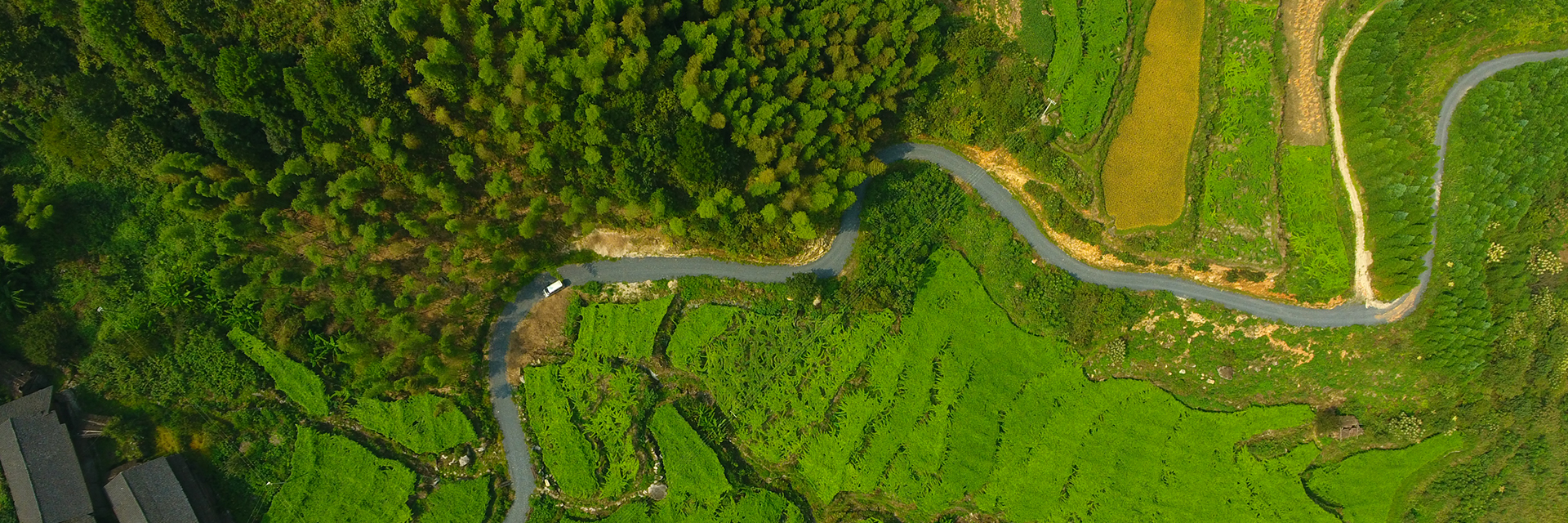
Dried stevia leaves carry highly variable loads of sweet compounds, roughly 6% to 15% of dry weight, which puts a dried leaf anywhere between 18 and 45 times sweeter than sugar. Glycosides accumulate as leaf tissue ages, so older lower leaves hold more than younger upper leaves, and once flowering begins, glycoside concentration starts to decline. Two lots of leaf from the same growing area can differ substantially before processing starts.
Published composition figures vary just as widely. A peer-reviewed survey of the plant reports stevioside at 22% to 62% of total glycosides and Rebaudioside A at 5% to 65%, because cultivar and growing conditions move the profile. Huacheng Bio publishes its stevia material as Rebaudioside A 50% to 99% and Rebaudioside M 95%, and does not publish a native leaf profile behind those grades. Ask for a measured glycoside profile with the grade you are quoted, since a range this wide does not transfer from one supplier's leaf to another.
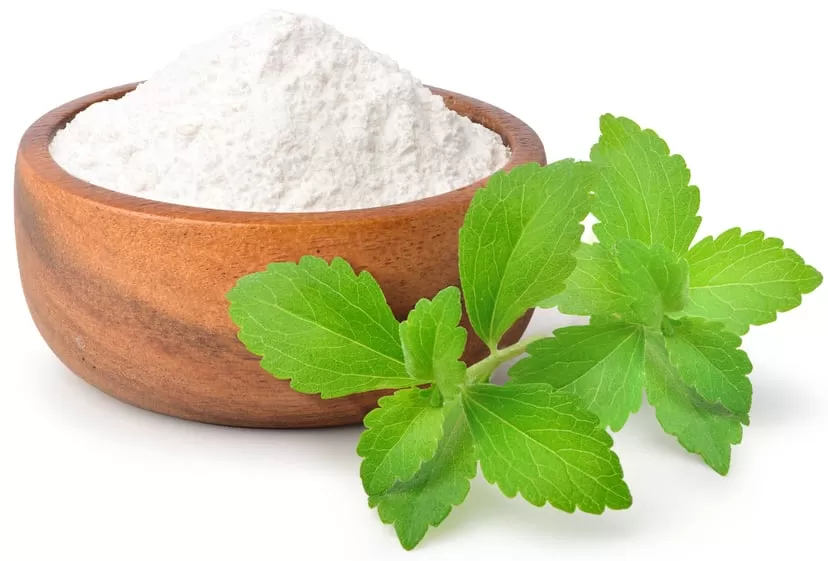
Sweetness and aftertaste come from different molecules, and the leaf does not hold them in the proportions most buyers assume. The current monograph prepared by the Joint FAO/WHO Expert Committee on Food Additives defines steviol glycosides broadly, as any compound carrying a steviol backbone conjugated to sugars in orientations found in the leaf. The published sensory and abundance data below comes from a peer-reviewed survey of steviol glycosides.
| Glycoside | Share of leaf glycosides | Sweetness versus sucrose | What it means for a buyer |
|---|---|---|---|
| Stevioside | About 22% to 62% across cultivars | 250 to 300 times | The most abundant glycoside and the cheapest sweetness in the plant. It carries a distinct bitter, licorice-like aftertaste, so material left closer to whole-leaf composition shows more of it. |
| Rebaudioside A (Reb A) | About 5% to 65%, depending on cultivar | 250 to 450 times | The commercial benchmark, with clearly reduced bitterness next to stevioside. This is the molecule behind an RA 50 or RA 99 grade name. |
| Rebaudioside C (Reb C) | Minor | 20 to 30 times | Little sweetness and moderate astringency. It still counts toward the 95% total, which is one reason the total says little about taste. |
| Rebaudioside D (Reb D) | Around 0.3% to 0.4% of dry leaf matter | 200 to 220 times | Cleaner than Reb A and closer to sucrose. Natural scarcity makes bioconversion the practical route to commercial volumes. |
| Rebaudioside M (Reb M) | Very low natural abundance | 200 to 350 times | The cleanest profile and the closest to sugar, largely without the bitter finish. Huacheng Bio offers RM at 95%. |
The practical consequence is that two powders can clear the same 95% purity line and taste nothing alike. One may reach the total mostly through stevioside, the other through Reb A or Reb M. The total tells you what is pure. It does not tell you what is sweet.
The current JECFA monograph for steviol glycosides from Stevia rebaudiana Bertoni states the first step plainly: the leaves are extracted with hot water. Water does two jobs at once. It dissolves the glycosides you want, and it also dissolves pigments, polysaccharides, proteins and tannins from the leaf. Push extraction harder to lift recovery and you carry more coloured, bitter material into purification, which then has to strip it out at the cost of capacity and yield. Extract more gently and recovery falls.
Huacheng Bio's stevia production uses advanced methods, including supercritical fluid extraction and enzyme-assisted extraction to maximise steviol glycoside yield, and has the independently developed organic membrane separation among the technologies that are shown on industry chain page.
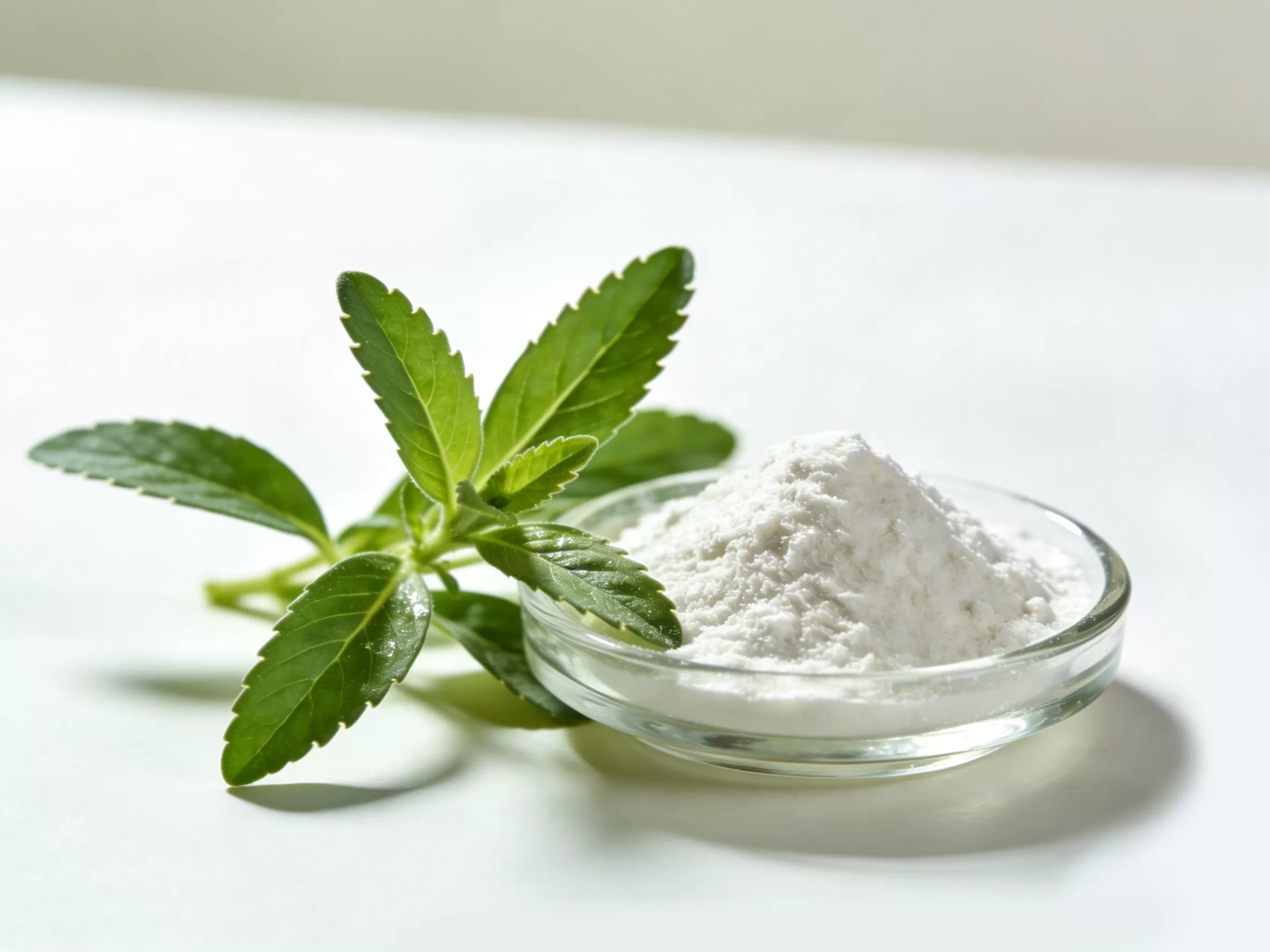
Everything that turns a leaf infusion into a high-purity sweetener happens after extraction. Per the same monograph, the aqueous extract is passed through an adsorption resin that traps and concentrates the steviol glycosides while much of the rest passes through. The resin is washed with a solvent alcohol to release the glycosides, and the product is recrystallized from methanol or aqueous ethanol. Ion exchange resins may be used during purification, and the final product may be spray-dried.
Keep that sentence in mind when you write your certificate of analysis requirements. Methanol is named in the process, and the monograph caps residual solvents at 200 mg/kg of methanol and 5,000 mg/kg of ethanol. Request both solvent figures with the test method, and state the limit your own market imposes.
Three regimes draw the line at the same number. The JECFA monograph requires an assay of not less than 95% of total steviol glycosides on the dried basis. EU specifications for E 960 require not less than 95%, held today across eleven named steviol glycosides. In the United States, Import Alert 45-06 exempts highly purified steviol glycosides from detention when they reach at least 95% steviol glycosides on a dried weight basis, with stevioside, Rebaudioside A, Rebaudioside D, Rebaudioside M, enzyme-modified steviol glycosides or comparable steviol glycosides as principal components.
Below that line the rules change completely. Since 1991 the FDA has treated stevia leaf and crude stevia extracts as unapproved food additives rather than GRAS substances, and their import for use as a sweetener is not permitted. The alert was revised again in 2025. Purity total therefore decides which side of that line a shipment lands on, which is why it matters more than any grade name.
H2-Via stevia is offered at Rebaudioside A 50% to 99% tested by HPLC, and at Rebaudioside M 95%. Those are single-molecule figures. The total steviol glycosides sum is a different calculation, and it is the one all three regimes above apply. Ask for it explicitly, on the dried basis, together with the method. Current JECFA specifications use HPLC with UV or mass detection against external reference standards.
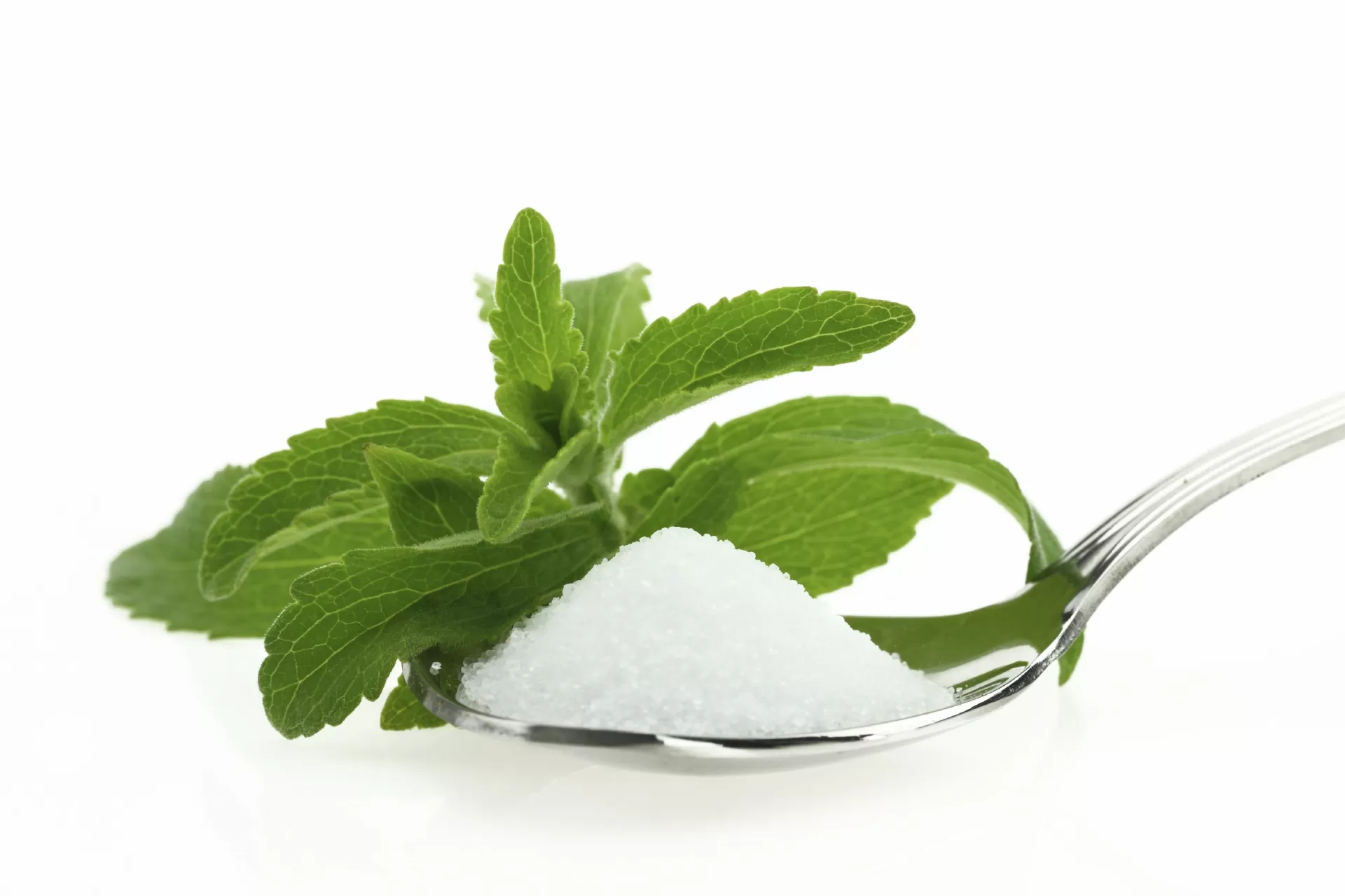
Once purity is settled, the rest is arithmetic against permitted use levels. Commission Regulation (EU) No 1131/2011 authorises E 960 steviol glycosides category by category, with maximum levels expressed as steviol equivalents: 80 mg/l in energy-reduced flavoured drinks, 100 mg/kg in energy-reduced flavoured fermented milk products, 200 mg/kg in energy-reduced jam and jelly, 350 mg/kg in confectionery with no added sugar, 3,300 mg/kg in chewing gum, and quantum satis for tabletop sweeteners in liquid, powder or tablet form. Because the limits are expressed as steviol equivalents, glycoside mass has to be converted before you can tell whether a formulation fits.
Request each of these for the grade you intend to buy:
Huacheng Bio runs sensory, physical and chemical, microbiological and precision-instrument laboratories equipped with HPLC, GC, AA and UV-VIS, and sends material to third-party laboratories including NSF, SGS and Eurofins on a scheduled basis. Ask which tests were run in-house and which were sent out for your lot, because that determines how fast a disputed result can be reproduced.
H2-Via stevia covers confectionery, beverages, solid drinks, tabletop sugar, health products and dairy applications. Send the glycoside target you need, the application, your market and your planned use level. Huacheng Bio can supply the current specification for the RA or RM grade, confirm the total steviol glycosides figure and residual solvent results, and attach lot identification to a sample for your own assay.
Request a specification and sample reviewYes, and this is the most common surprise in the category. The total counts every compound with a steviol backbone, including Rebaudioside C, which measures only 20 to 30 times sweeter than sucrose and carries moderate astringency. A material high in stevioside and one high in Rebaudioside M can post the same total and differ sharply in aftertaste. Ask for the individual glycoside profile by HPLC and compare candidates at equal sweetness in your own base.
Rebaudioside A content is a commercial grade descriptor that tells you how far the material was refined toward one molecule. The EU specification for E 960 and the JECFA monograph are both written against the sum of all steviol glycosides, not less than 95%. Request both numbers so you can see how much of the total sits outside Rebaudioside A, and what that balance will do to the taste.
Rebaudioside M occurs in very low abundance in the leaf, so any commercial RM grade depends on how it was obtained. JECFA now maintains separate specifications for material made by water extraction, fermentation, bioconversion and glucosylation, and applies its acceptable daily intake of 0 to 4 mg/kg body weight expressed as steviol across all of them. Confirm the production route for RM 95%, since it changes cost, documentation and any "plant-derived" wording you plan to put on pack.
In the European Union, start from your food category under Commission Regulation (EU) No 1131/2011 and read the maximum level as steviol equivalents. Categories differ widely, from 40 mg/kg in energy-reduced soups to quantum satis for tabletop sweeteners. Convert your glycoside mass into steviol equivalents before comparing, because the legal figure is not the powder weight you weigh in. Outside the EU, take the same question market by market, since permitted categories and conversion rules are not harmonised.
Ask for the specification for the exact grade, a certificate of analysis from a recent commercial lot, the total steviol glycosides figure with its HPLC method, the individual glycoside profile, the residual solvent result, and the lot identifier repeated on any sample you receive. Huacheng Bio's quality and testing arrangement covers in-house laboratories and scheduled third-party testing through NSF, SGS and Eurofins, so ask which results came from where. Keep the lot identifier with your sensory notes so a later commercial lot can be matched to the sample that passed.







 EN
EN EN
EN CN
CN ES
ES PT
PT SV
SV DE
DE TR
TR FR
FR AR
AR BG
BG HR
HR CS
CS DA
DA NL
NL FI
FI EL
EL HI
HI IT
IT JA
JA KO
KO NO
NO PL
PL RO
RO RU
RU CA
CA TL
TL IW
IW ID
ID LV
LV LT
LT SR
SR SK
SK SL
SL UK
UK VI
VI SQ
SQ ET
ET GL
GL HU
HU MT
MT TH
TH FA
FA AF
AF MS
MS GA
GA BE
BE UZ
UZ